Unveiling the Power Hidden: Understanding Industrial Machine Elements and Their Crucial Functions
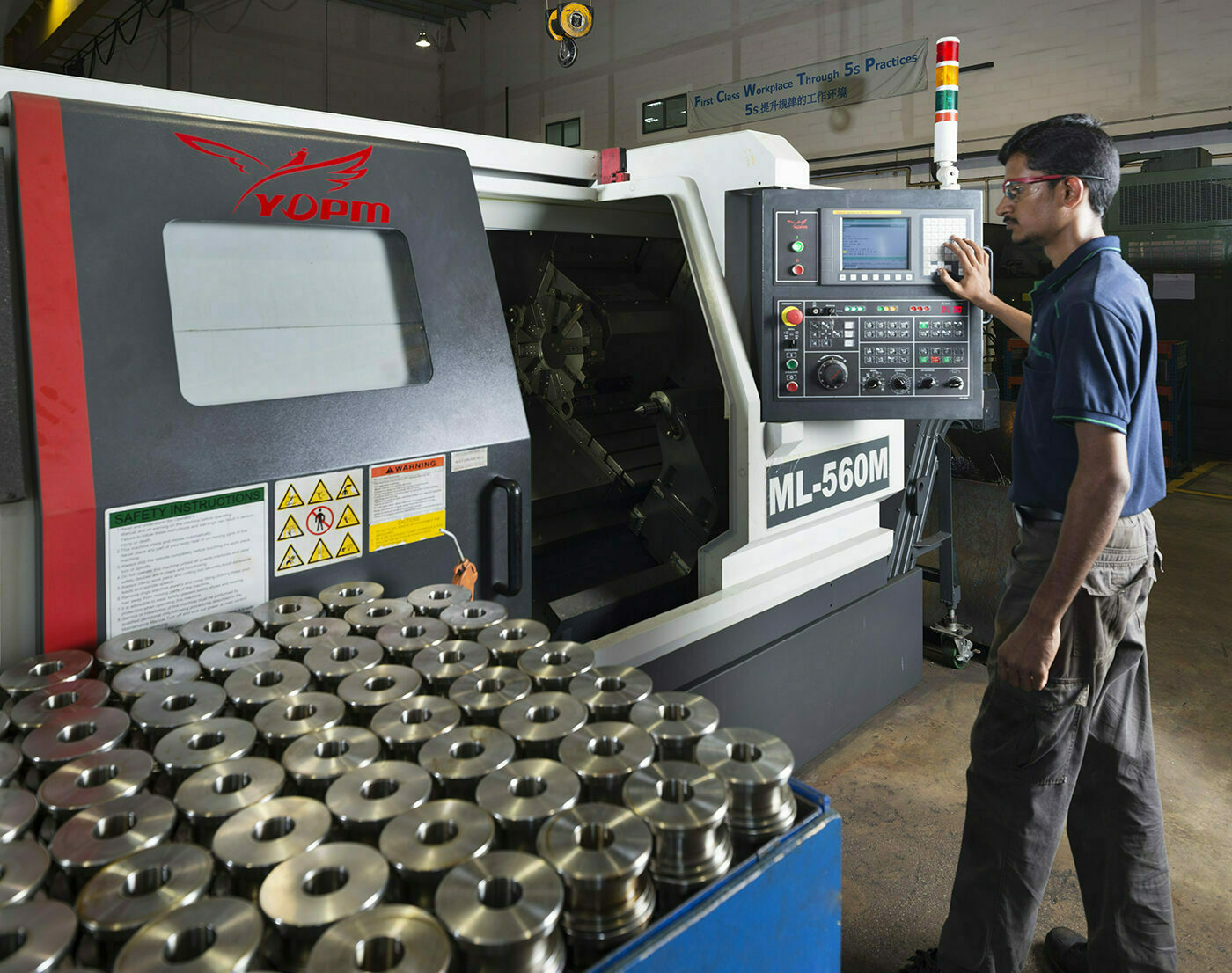
Mechanical actuators are the behind-the-scenes champions of countless applications throughout the industry, quietly powering heavy-duty tasks in infrastructure, agribusiness, production, and mining work. These powerful mechanical devices convert controlled liquid into precise, straight-line motion, elevating, driving, pulling, and positioning heavy loads with precision and dependability. While they may appear deceptively plain from the outside, the efficiency of a industrial actuator is the product of the seamless operation of numerous core components functioning together in ideal harmony. Knowing these essential components and their functions is critical for any technician working in engineering, usage, or servicing of hydraulic equipment. Hydraulic cylinder parts
Core Parts of a Mechanical Actuator and How They Operate
At the heart of each mechanical actuator lies the cylinder body, a carefully crafted chamber that houses the key sliding parts. It functions as the central body of the unit and holds the working fluid that delivers power. Because it must endure high internal stress and enable consistent operation, the inside wall of the barrel is carefully finished to tight standards.Inside this housing sits the sliding disc, the active element that separates the inner space into separate fluid zones. When controlled liquid is channeled to each face of the disc, force increases and drives the unit along the axis of the tube. This movement is what ultimately creates the powerful, direct force that the system is designed to deliver. The piston alignment and seal within the barrel are critical for effective energy transfer and minimal liquid loss.
Connected securely to the core is the drive shaft, a hardened alloy shaft that delivers the energy created within the unit to the outside machinery. Whether extending to elevate a large load or drawing in to realign a part, the piston bar must be extremely strong and damage-resistant. Often chrome-plated or professionally finished to reduce oxidation and friction, this shaft ensures that the system can maintain reliable results under the harshest conditions. Hydraulic cylinder parts
How Learning Hydraulic Cylinder Elements Is Important Even Than You Expect
Mechanical actuators play a major purpose in countless heavy-duty applications, but their output and longevity depend on the quality of each internal component. Learning the functions of the main tube, piston, shaft, seals, and supporting components enables operators to diagnose problems quickly, perform maintenance in advance, and make informed choices about overhauls or upgrades. A failed output seal might cause fluid loss long before a piston issue becomes evident, and detecting this early can prevent costly interruptions and repair bills.Moreover, choosing the proper mechanical system for a given job demands understanding of how these parts influence force, motion control, and durability. Whether you are specifying equipment for a construction fleet, servicing agricultural tools, or analyzing plant systems, a solid understanding of mechanical actuator anatomy helps support best performance.
As the core of so countless industrial machines, mechanical actuators deserve serious attention. By understanding the jobs each element performs—from the strength of the drive rod to the accuracy of a small O-ring—you unlock the complete potential of your machinery and protect its operation for many years to come.
Find out more on - Hydraulic cylinder parts