Unveiling the Power Inside: Exploring Mechanical Cylinder Parts and Their Key Vital Functions
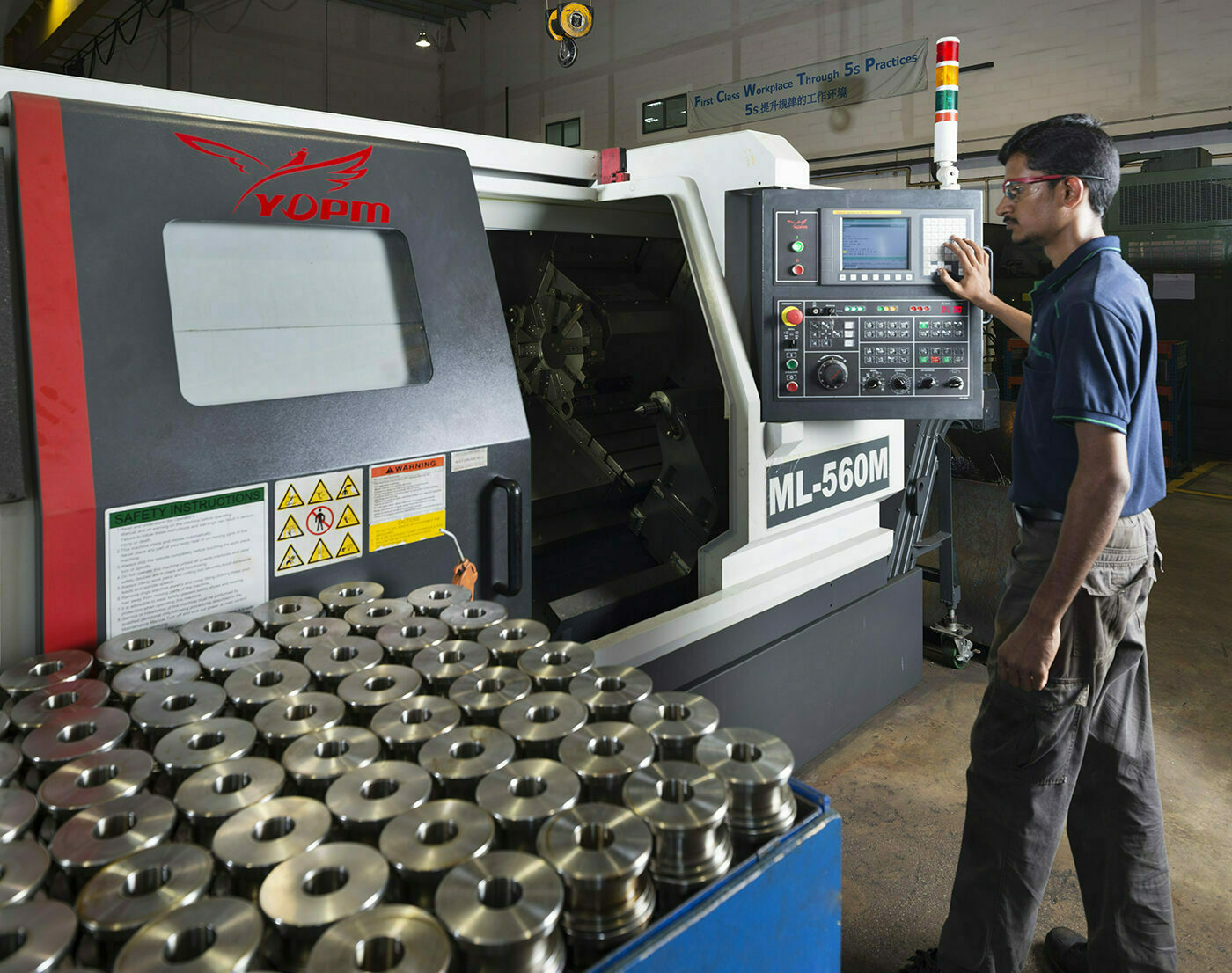
Hydraulic cylinders are the unsung heroes of countless machines around the industry, efficiently driving heavy-duty applications in infrastructure, agribusiness, production, and mining work. These powerful industrial actuators convert pressurized liquid into precise, straight-line motion, elevating, driving, drawing, and aligning heavy loads with control and consistency. While they may look misleadingly basic from the outside, the efficiency of a industrial actuator is the outcome of the perfect operation of many internal parts working as one in perfect sync. Understanding these key components and their functions is important for any professional involved in planning, control, or repair of mechanical machines. Hydraulic cylinder parts
Primary Parts of a Mechanical Actuator and The Way They Work
At the center of any hydraulic unit lies the pressure barrel, a finely engineered tube that contains the key internal elements. It serves as the primary shell of the cylinder and holds the pressurized liquid that transmits power. Because it must endure intense inside force and enable smooth movement, the internal surface of the tube is carefully treated to tight tolerances.Inside this tube sits the sliding disc, the active part that splits the inside space into distinct fluid zones. When high-pressure fluid is directed to either end of the component, pressure increases and pushes the unit along the axis of the cylinder. This process is what effectively delivers the powerful, linear motion that the cylinder is designed to deliver. The piston’s position and sealing within the tube are critical for efficient pressure transfer and limited liquid loss.
Connected firmly to the core is the drive shaft, a strong metal shaft that transmits the force produced within the system to the outside equipment. Whether extending to elevate a massive object or pulling back to realign a component, the piston rod must be exceptionally tough and long-lasting. Often surface-treated or specially treated to limit oxidation and resistance, this rod ensures that the unit can maintain consistent performance under the most demanding environments. Hydraulic cylinder parts
Why Learning Hydraulic Components Matters Even Than You Realize
Industrial actuators hold a critical role in numerous mechanical operations, but their performance and durability depend on the condition of all inner component. Learning the roles of the pressure body, piston, output, sealing elements, and other components empowers engineers to identify faults quickly, perform servicing on time, and take better choices about repairs or changes. A failed shaft seal component might lead to liquid leakage long ahead of a piston breakdown becomes clear, and spotting this soon can save major downtime and maintenance expenses.Moreover, choosing the proper hydraulic unit for a given application demands knowledge of how these components impact output, motion management, and lifespan. Whether you are specifying machinery for a infrastructure operation, maintaining farming tools, or troubleshooting industrial systems, a strong knowledge of hydraulic actuator design helps support optimal results.
As the core of so countless hydraulic systems, hydraulic actuators require serious consideration. By appreciating the roles each part plays—from the power of the output shaft to the precision of a small seal—you maximize the true capability of your equipment and protect its performance for many years to ahead.
Find out more on - Hydraulic cylinder parts